
Spinal cord
Spinal cord injury
After a spinal cord injury, rehabilitation is about building a new kind of independence.
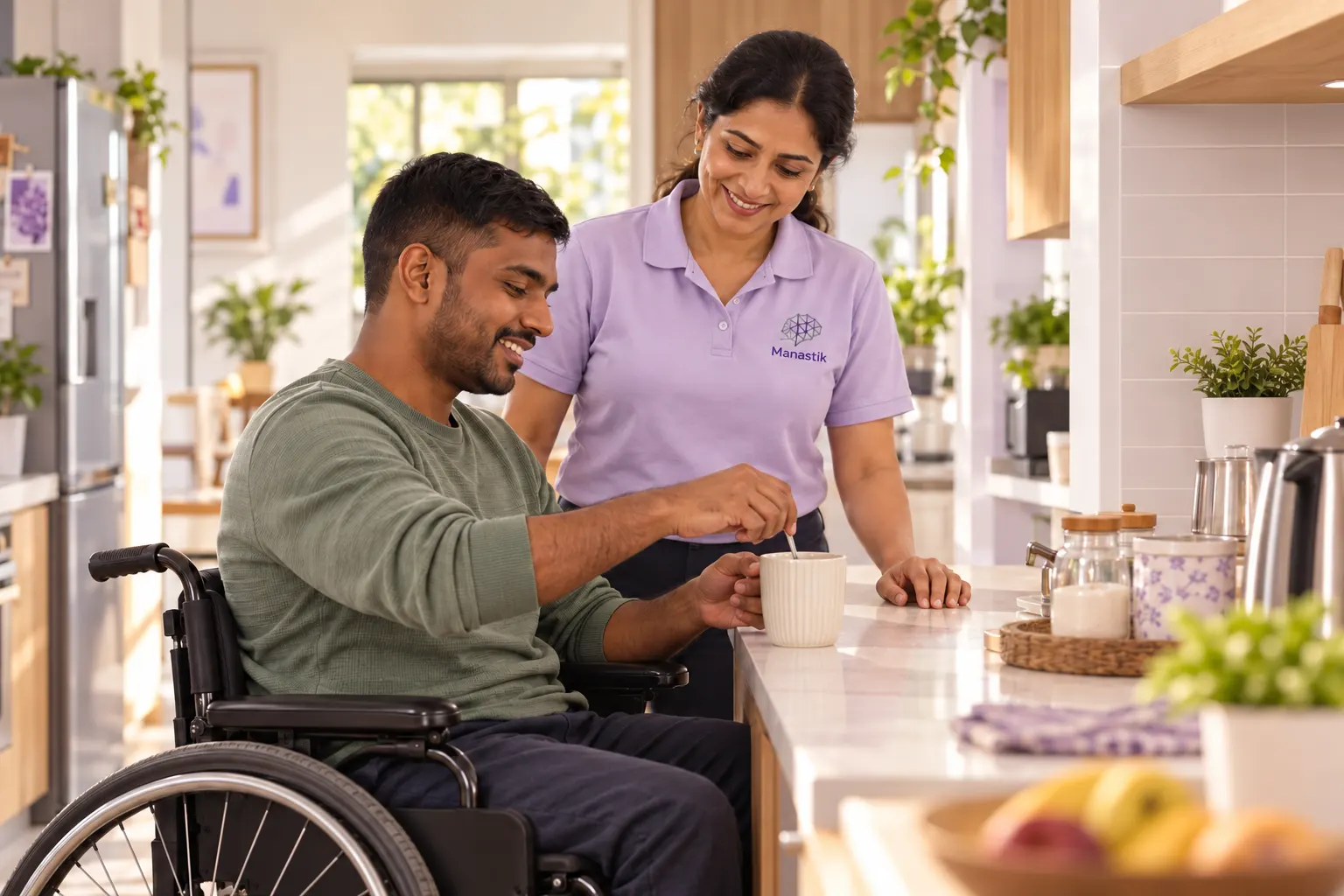
In everyday life
What it can affect
- Movement and sensation
- Transfers and wheelchair skills
- Bladder, bowel and skin care
- Adjusting emotionally
Areas we can support
How we can help.
Movement
Neuro physiotherapist
Moving with more strength, balance and confidence.
Daily living
Occupational therapist
Doing the everyday things that matter — your way.
Emotional wellbeing
Clinical psychologist
Space to adjust, cope and stay motivated.
Nutrition
Nutritionist
Eating well as part of recovery, where it helps.
Care navigation
Care Navigator
One person who helps you find the right next step.
Digital rehabilitation
Your therapist, via the app
Rehabilitation that continues at home, every day.
Your rehabilitation journey
One step at a time.

- 1Understand
We understand the condition and today’s challenges.
- 2Assess
Understand functional needs and what matters most to you.
- 3Build the plan
Create a personalised rehabilitation pathway with clear goals.
- 4Practice
Therapy sessions, guided activities and support at home.
- 5Track
See progress and participation over time.
- 6Adapt
We adjust the plan as needs change.
Your care team
The people around you
Neurologist
Helps understand the neurological condition and guides the overall clinical direction.
Rehabilitation physician
Leads the medical side of rehabilitation and sets priorities with the team.
Neuro physiotherapist
Works on movement, balance, walking and strength.
Occupational therapist
Helps with everyday tasks, hand use and making the home work for you.
Clinical psychologist
Supports emotional wellbeing for the person and the family.
Nutritionist
Makes food part of the plan, where it helps.
Care Navigator
Your single point of contact — keeps everything joined up.
Progress
What progress can look like
- Moving between bed, chair and car
- Managing daily routines
- Preventing complications at home
- Getting back to meaningful activities
Goals are personal and set together. No two journeys are the same.
Questions
What families ask us
Can rehabilitation for Spinal cord injury happen at home?
Often, yes. Sessions can happen at home or by video, with a daily plan on the Manastik app between sessions. Your team will suggest in-person sessions when a goal needs them.
Do we need a referral?
No. Start by talking to a Care Navigator. We work alongside your treating doctor and, with your consent, keep them informed.
What happens after I book?
A Care Navigator calls you, listens to what’s going on and suggests the right first step — often an assessment with the relevant specialist.
Explore more
Related conditions
Care Navigator
Living with Spinal cord injury? Start with a conversation.
- 1Tell us what you’re dealing with
- 2We explain the options, honestly
- 3We connect you with the right team